
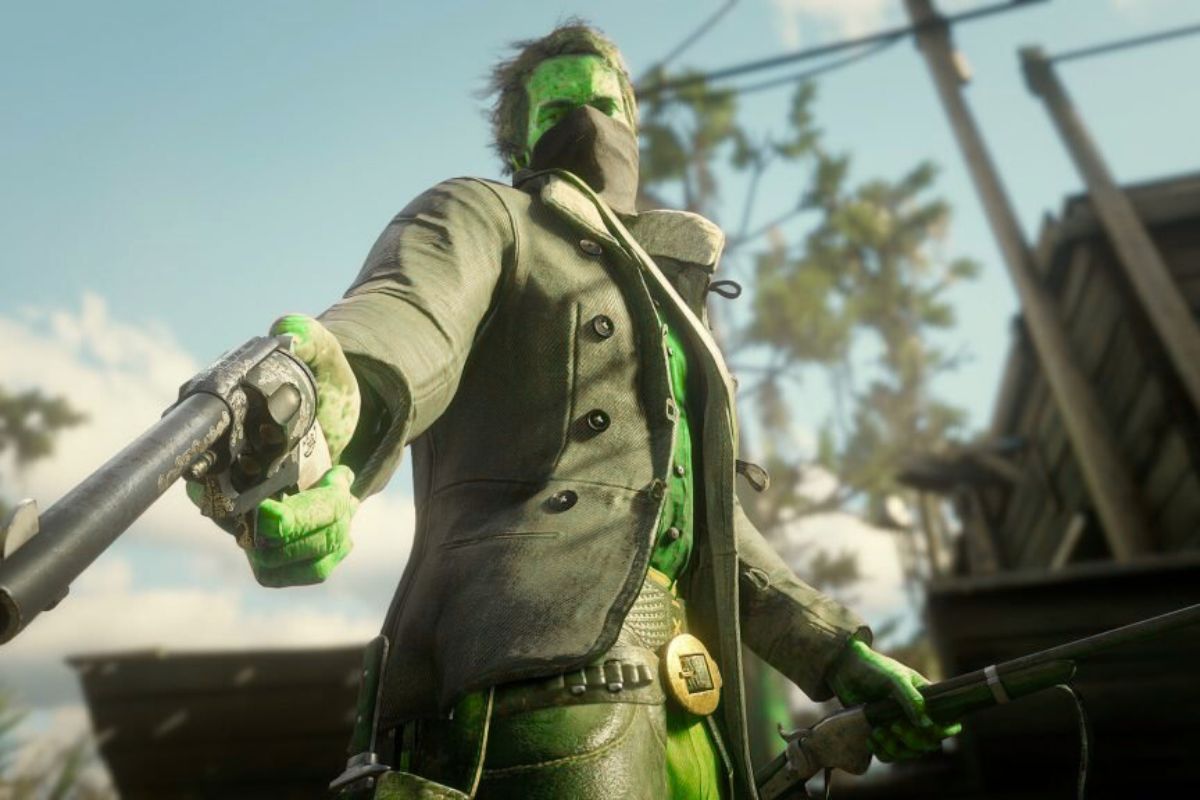
Fix Red Dead Redemption 2 is a graphically intensive open-world game that can crash on PC due to hardware, software, or configuration issues. Crashes may occur during launch, gameplay, or while loading specific areas. Common causes include outdated GPU drivers, corrupted game files, insufficient RAM, and incompatible system settings. Correct configuration and updates improve stability and prevent crashes.
Common Causes of Crashes in Fix Red Dead Redemption 2
Fix Red Dead Redemption Dead Redemption 2 can result from outdated or incompatible graphics drivers, corrupted installation files, or insufficient VRAM. Conflicts with background applications, overlays, or antivirus software may interfere with the game. High-resolution textures, improper graphics settings, and outdated Windows versions increase system load, contributing to instability. Overclocking or thermal throttling can also trigger crashes.

Fix 1 – Update Graphics Drivers and Windows
Outdated drivers are a frequent cause of crashes.
Identify your GPU in Device Manager. Download the latest drivers from NVIDIA, AMD, or Intel official sources. Install the updates and restart the PC. Open Windows Update and install all pending system updates. Relaunch Red Dead Redemption 2 and test performance.
Updated drivers enhance GPU stability and compatibility with game rendering.
Fix 2 – Verify and Repair Game Files
Corrupted files can prevent the game from running.
Open the game launcher, such as Rockstar Games Launcher or Steam. Use the Verify Integrity or Repair option to check for missing or corrupted files. Complete the repair process and restart the game.
Valid game files prevent crashes and ensure proper asset loading.
Fix 3 – Adjust Graphics Settings
High graphics settings may overload the system.
Open Options > Graphics in the game menu. Reduce settings such as Texture Quality, Shadow Quality, and Anti-Aliasing. Limit Render Resolution to match the monitor. Disable V-Sync or advanced post-processing effects if performance is low. Apply settings and relaunch the game.
Optimized settings reduce GPU and CPU load, improving stability.
Fix 4 – Close Background Applications and Overlays
Conflicting applications can cause instability.
Use Task Manager to close unnecessary programs. Disable overlays from Discord, Steam, or GeForce Experience. Ensure antivirus software is not scanning the game directory. Restart the game after closing applications.
Removing conflicts allows Red Dead Redemption 2 to run without interference.
Fix 5 – Allocate Sufficient System Resources
Insufficient RAM or VRAM can lead to crashes.
Ensure at least 8–16 GB of RAM is free during gameplay. Monitor CPU and GPU usage. Avoid running memory-intensive applications in the background. Restart the PC to free system resources before launching the game.
Proper resource allocation prevents crashes due to memory or processing limitations.
Fix 6 – Check System Configuration and DirectX
Incompatible settings or outdated APIs may cause crashes.
Confirm the system meets minimum game requirements, including CPU, GPU, RAM, and storage. Use DirectX 12 if supported, otherwise use DirectX 11. Update Visual C++ Redistributables to the latest version. Restart the PC and relaunch the game.
Correct system configuration ensures stable communication between hardware and game engine.
FAQs
Why does Red Dead Redemption 2 crash on my PC?
Crashes are commonly caused by outdated drivers, corrupted game files, insufficient RAM or VRAM, conflicting applications, or improper graphics settings.
Will lowering graphics settings prevent all crashes?
Reducing graphics settings lowers GPU and CPU load, which can prevent crashes, but driver updates and system checks may still be necessary.
Can background programs cause the game to crash?
Yes. Applications using significant CPU, GPU, or memory can interfere with Red Dead Redemption 2, causing crashes during gameplay or loading.
Conclusion
Fix Red Dead Redemption 2 crashes on PC requires updating graphics drivers and Windows, verifying game files, adjusting graphics settings, closing conflicting applications, ensuring sufficient system resources, and checking system configuration and DirectX. Implementing these steps improves stability, reduces unexpected crashes, and provides a smooth and consistent gameplay experience. Proper configuration and updated software are essential for reliable performance in this graphically demanding open-world game.