
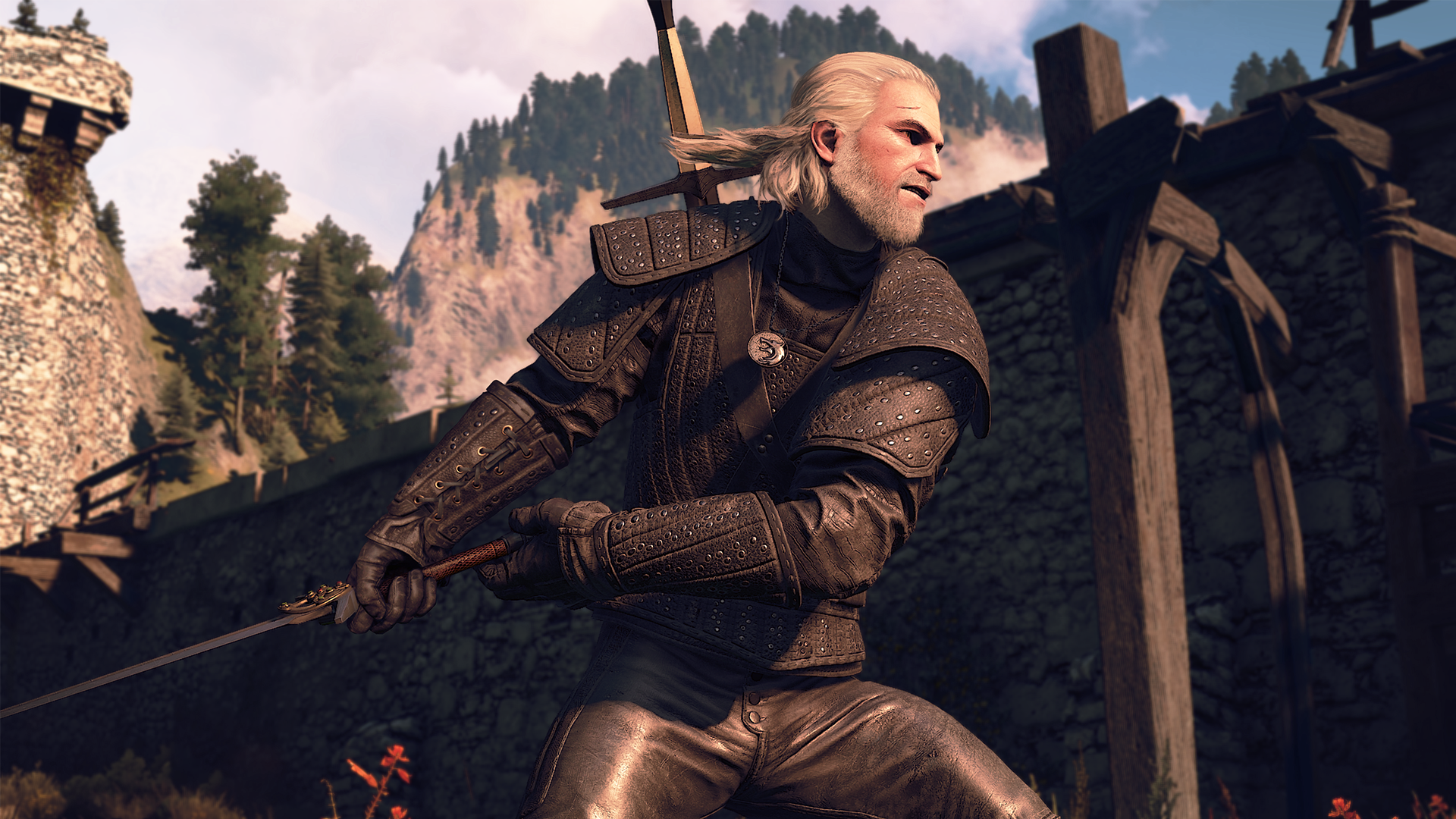
Fix The Witcher 3 Next-Gen Update enhances graphics and gameplay, but it may cause performance issues on some PCs. Problems include low frame rates, stuttering, freezing, or delayed loading. Common causes include outdated graphics drivers, insufficient system resources, improper graphics settings, or corrupted game files. Proper optimization ensures smooth performance and stable gameplay.
Common Causes of Fix The Witcher
Performance problems in The Fix The Witcher 3 Next-Gen Update often result from high GPU or CPU load, insufficient RAM, or low VRAM. Outdated drivers, corrupted installation files, and conflicts with background applications can exacerbate issues. High-resolution textures, advanced ray tracing, or large mods may also overload the system. Windows settings, overlays, and third-party software may interfere with game performance.
Fix 1 – Update Graphics Drivers and Windows
Outdated drivers reduce performance and stability.
Identify your GPU in Device Manager. Download and install the latest drivers from NVIDIA, AMD, or Intel official sources. Open Windows Update and install all pending updates. Restart the PC and launch The Witcher 3 to test performance.
Updated drivers enhance rendering efficiency, reduce stuttering, and improve frame rates.
Fix 2 – Verify and Repair Game Files
Corrupted files can cause freezes and low FPS.
Open the game launcher, such as GOG Galaxy or Steam. Use the Verify Integrity or Repair option to check and restore missing or corrupted files. Restart the game after the verification process.
Valid game files ensure proper loading of textures, models, and system resources.
Fix 3 – Adjust Graphics Settings
High settings may overload system hardware.
Open Options > Graphics. Reduce settings for Texture Quality, Shadow Quality, and Post-Processing. Limit Render Resolution and disable V-Sync if needed. Enable DLSS or FSR if supported for better performance. Apply changes and restart the game.
Optimized graphics settings lower CPU and GPU load, improving stability and frame rates.
Fix 4 – Allocate Sufficient System Resources
Low available memory can trigger stuttering or freezes.
Ensure at least 16 GB of system RAM is free during gameplay. Close unnecessary background applications. Monitor CPU, GPU, and memory usage. Restart the PC before launching the game to free resources.
Proper memory and CPU allocation prevents performance drops and frame rate instability.
Fix 5 – Disable Conflicting Applications and Overlays
Other programs can interfere with game performance.
Close resource-intensive applications via Task Manager. Disable overlays from Discord, Steam, or GeForce Experience. Ensure antivirus software is not scanning the game directory. Launch the game after disabling conflicting software.
Removing conflicts allows The Witcher 3 to use system resources efficiently.
Fix 6 – Update DirectX, Visual C++ Redistributables, and Drivers
Outdated system libraries may reduce performance.
Install the latest DirectX 12 runtime. Update Visual C++ Redistributables (x64) from Microsoft. Ensure GPU drivers are fully updated. Restart the PC and relaunch The Witcher 3.
Updated system libraries improve compatibility between the game engine and hardware.
FAQs
Why is The Witcher 3 Next-Gen Update running slowly?
Slow performance is usually caused by high system load, insufficient RAM or VRAM, outdated drivers, corrupted game files, or conflicting background applications.
Will reducing graphics settings fix all performance issues?
Reducing settings lowers GPU and CPU load and improves frame rates. Driver updates, resource allocation, and system optimization may still be necessary.
Can overlays or background applications affect performance?
Yes. Applications using CPU, GPU, or memory can interfere with the game, causing stuttering, freezes, or low FPS.
Conclusion
Fix The Witcher issues in The Witcher 3 Next-Gen Update requires updating graphics drivers and Windows, verifying game files, adjusting graphics settings, allocating sufficient system resources, disabling conflicting applications, and updating DirectX and Visual C++ libraries. Implementing these steps improves frame rates, reduces stuttering, and ensures smooth gameplay. Proper system optimization and updated software are essential for a stable and enjoyable experience with the enhanced next-gen graphics and features.